
المحاسبة & السجلات · دبي، الإمارات
السجلات الضريبية في الإمارات 2026: قواعد الاحتفاظ لمدة 7 سنوات
Last reviewed by the Exiloz tax team against the UAE legislation in force on that date. Tax law moves — confirm any figure against tax.gov.ae before you act on it.
القاعدة التي تحدد ما إذا كنت ستنجو من تدقيق
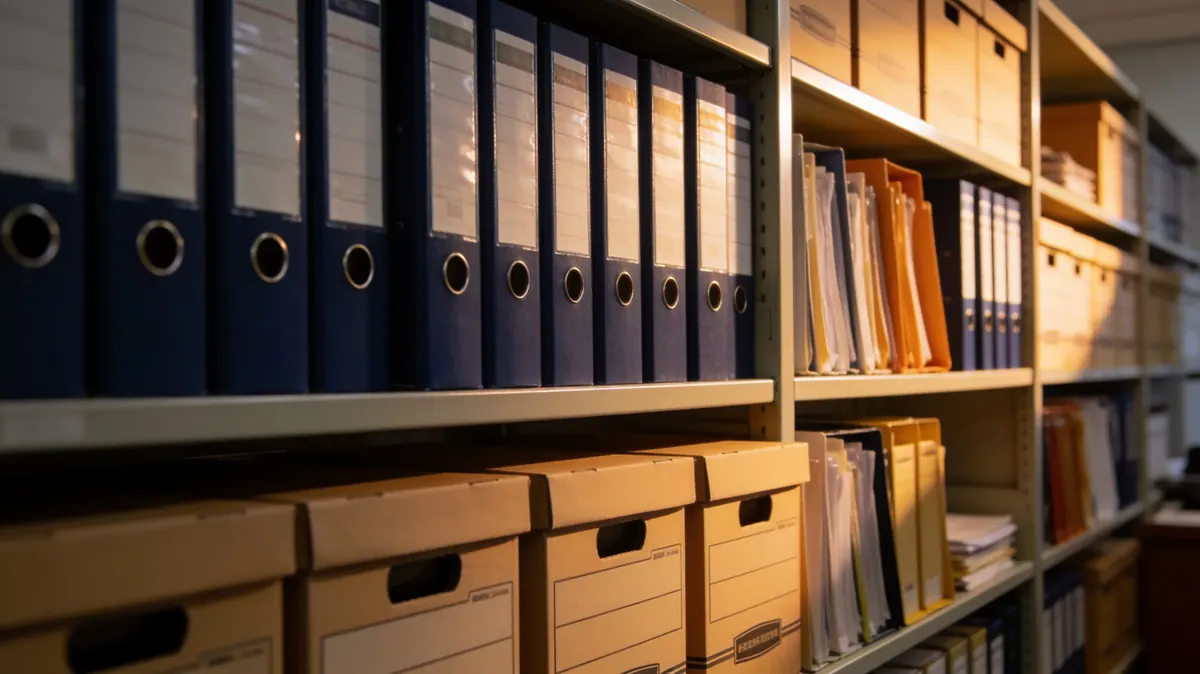
UAE tax law sets minimum record-retention periods. For corporate tax, Article 56 of Federal Decree-Law No. 47 of 2022 requires taxable persons and exempt persons to keep all records supporting their return for at least 7 سنوات after the end of the relevant tax period. For VAT, records must generally be kept for 5 سنوات; real-estate records must be kept for 15 سنة. Records must let the FTA readily verify taxable income — and they are the first thing requested in an FTA audit.
"كم من الوقت يجب أن أحتفظ بدفاتري؟" سؤال بسيط بإجابة متعددة الطبقات، لأن الفترة تعتمد على الضريبة. وإصابته بالخطأ قد يعرّضك لغرامات وفقدان الأدلة التي تحتاجها للدفاع في تدقيق. إليك خريطة الاحتفاظ.
فترات الحفظ
أي السجلات التي يجب أن تحتفظ بها
حتى الأشخاص المعفيون يجب أن يحفظوا السجلات
A common misconception is that being exempt from corporate tax means no record-keeping. Not so — exempt persons must still keep records to demonstrate they meet the exemption conditions. The obligation is about proving your position to the FTA, whether you pay tax or not.
السجلات الرقمية والجاهزية للتدقيق
Records can be kept digitally, provided they are complete, accurate and retrievable for the full retention period. Because records are the first thing the FTA requests in an audit, organised, reconciled and searchable records — not a shoebox of receipts — are what make an audit quick and defensible. With e-invoicing arriving, structured digital records also become the norm.
ما الذي ينبغي أن تفعله الشركات في دبي
- حدّد فترات حفظك: 7 سنوات لضريبة الشركات، و5 سنوات لضريبة القيمة المضافة، و15 سنة للعقارات.
- احتفظ بالمجموعة الكاملة: البيانات المالية والمعاملات وسجلات الميزانية العمومية والملكية.
- تحوّل إلى الرقمنة: خزّن السجلات بحيث تكون كاملة وقابلة للاسترجاع.
- أدرج الجهات المعفاة: احتفظ بالسجلات حتى حيث تطالب بالإعفاء.
- ابقَ جاهزاً للتدقيق: سوِّ الحسابات بانتظام حتى يكون الطلب أمراً روتينياً.
مثال محلول: التدقيق الذي يتوقف على السنة الأولى
A Dubai company files its first corporate-tax return for FY 2024 in September 2025. Under المادة 56, every record behind that return — ledgers, invoices, contracts, asset registers, shareholding documents — must survive until at least the end of 2031 (seven years from the end of the 2024 tax period). If the FTA opens an audit in 2030 and the 2024 purchase invoices are gone because “the old system was decommissioned,” the deductions they supported can be disallowed and penalties added — the absence of records, not the underlying transaction, becomes the problem. VAT paperwork for the same year could lawfully have been destroyed after five years; the corporate-tax copies could not.
سياسة حفظ يمكنك تنفيذها فعلاً
- اربط السجلات بالأنظمة: صنّف كل فئة مستندات (المبيعات، المشتريات، الرواتب، الأصول، العقارات) بمدة حفظها 7 / 5 / 15 سنة.
- Default to the longest period where a document serves two regimes — a property invoice inside a CT return follows the longer applicable clock.
- احتفظ بالتصديرات عند تغيير الأنظمة: يجب أن يشمل ترحيل برنامج المحاسبة تصديرات تاريخية كاملة وقابلة للقراءة.
- Store audit-ready: the FTA expects records that let taxable income be readily verified — organised by period, retrievable in days not months.
- سجّل الإتلاف: عندما تنتهي مدة الحفظ فعلاً، دوّن ما أُتلف ومتى.
Can you keep records in English — and in the cloud?
Yes to both, with conditions. Tax records may be maintained in English or Arabic, but the FTA can require an Arabic translation of any document, at your cost, within the deadline it sets — worth remembering before storing contracts only in a third language. Electronic and cloud storage is fully acceptable provided the records remain complete, legible and readily producible when the FTA asks: scanned originals must be faithful copies, accounting data must be exportable, and access must survive a change of software vendor. The practical tests to run once a year: can you export five-year-old ledgers out of your current system, do the backups actually restore, and can someone other than the one employee who set it up retrieve an invoice from 2021 in under an hour? If any answer is no, the records exist in theory but not in the way an audit measures them.
أخطاء شائعة
الأساس القانوني
Corporate-tax record keeping is governed by Article 56 of Federal Decree-Law No. 47 of 2022 — seven years for taxable and exempt persons alike — while VAT and general tax-procedure retention (five years, fifteen for real estate) sit in Federal Decree-Law No. 28 of 2022 and its Executive Regulation (Cabinet Decision No. 74 of 2023). Records are the first request in any FTA tax audit, and clean books are the cheapest audit defence there is — exactly what our accounting and bookkeeping service maintains month by month.
احتفظ بسجلات جاهزة للتدقيق
تُنشئ Exiloz حفظاً رقمياً وممتثلاً للسجلات وتُبقي دفاترك مُطابَقة وقابلة للاسترجاع طوال فترة الاحتفاظ الكاملة. اطّلع على خدمات المحاسبة لدينا أو تحدّث إلى مستشار في دبي.
الأسئلة الشائعة
كم يجب أن أحتفظ بالسجلات الضريبية في الإمارات؟
يجب حفظ سجلات ضريبة الشركات لمدة 7 سنوات على الأقل بعد نهاية الفترة الضريبية بموجب المادة 56. ويجب عموماً حفظ سجلات ضريبة القيمة المضافة 5 سنوات، وسجلات العقارات 15 سنة.
ما هي قاعدة السبع سنوات؟
بموجب المادة 56 من قانون ضريبة الشركات، يجب على الأشخاص الخاضعين للضريبة والأشخاص المعفيين الاحتفاظ بجميع السجلات والمستندات الداعمة لإقرار ضريبة الشركات لمدة 7 سنوات على الأقل بعد الفترة الضريبية المعنية.
هل يجب على الأشخاص المعفيين حفظ السجلات؟
نعم. لا يزال يتعين على الأشخاص المعفيين الاحتفاظ بالسجلات لإثبات استيفائهم شروط الإعفاء.
هل يمكنني الاحتفاظ بالسجلات رقمياً؟
نعم، شريطة أن تكون السجلات الرقمية كاملة ودقيقة وقابلة للاسترجاع طوال فترة الاحتفاظ الكاملة.
كم مدة الاحتفاظ بسجلات ضريبة القيمة المضافة والسجلات العقارية؟
سجلات ضريبة القيمة المضافة لمدة 5 سنوات على الأقل، وسجلات العقارات لمدة 15 عاماً على الأقل، بموجب قواعد الإجراءات الضريبية.
هل يمكن أن تُعدّ Exiloz حفظ سجلات ممتثلاً؟
نعم. ننفّذ مسك سجلات رقميًا ومطابَقًا يستوفي قواعد الاحتفاظ ويُبقيك جاهزًا للتدقيق.
هل يحتاج الأشخاص المعفيون فعلاً إلى حفظ السجلات؟
نعم. تنطبق المادة 56 على الأشخاص المعفيين كما على الخاضعين للضريبة — إذ يجب أن تثبت السجلات صفة الإعفاء. وسبع سنوات هي الحد الأدنى، محسوبة من نهاية الفترة الضريبية المعنية.
هل يمكنني الاحتفاظ بالسجلات رقمياً فقط؟
السجلات الرقمية مقبولة إذا كانت كاملة ومقروءة وتمكّن الهيئة الاتحادية للضرائب من التحقق بسهولة من الدخل الخاضع للضريبة. والاختبار العملي هو قابلية الاسترجاع — منظمة بحسب الفترة وقابلة للإبراز عند الطلب، بما في ذلك البيانات من الأنظمة المُوقَفة.
استكشف مجموعة حفظ السجلات الضريبية في الإمارات
كل صفحة أدناه تتعمق في جزء واحد من هذا الموضوع.
الخطوة 01 · المدةمدة الاحتفاظ بالسجلاتخريطة الـ7 / 5 / 15 عاماً بحسب نوع الضريبة.استكشف →الخطوة 02 · ما يجب الاحتفاظ بهأي السجلات التي يجب الاحتفاظ بهاالمعاملات والأصول والالتزامات والمساهمات.استكشف →الخطوة 03 · المادة 56قاعدة المادة 56ما الذي تتطلبه المادة 56 ولأي مدة.استكشف →الخطوة 04 · الجاهزية للتدقيقالسجلات الرقمية والجاهزية للتدقيقتخزين السجلات بحيث يمرّ تدقيق الهيئة الاتحادية للضرائب بسلاسة.استكشف →الخطوة 05 · الشركات الصغيرة والمتوسطة في دبيالاحتفاظ بالسجلات للشركات الصغيرة والمتوسطة في دبيقائمة تحقّق عملية للحفظ لشركات دبي.استكشف →
خدمات المحاسبة والضرائب والامتثال

خدمات ضريبة القيمة المضافة
التسجيل وتقديم الإقرارات والاسترداد ومراسلات الهيئة الاتحادية للضرائب.
التفاصيل
الرواتب ونظام حماية الأجور
معالجة الرواتب وتنسيق نظام حماية الأجور وسجلات الإجازات والتقارير.
التفاصيل