
Dubai Healthcare City
Dubai Healthcare City: A Regulated Medical Free Zone
Dubai Healthcare City is not a zone you enter by buying a licence. It is a regulated healthcare environment, and the regulator licenses the professionals and the facilities as well as the company. That distinction shapes everything about setting up there.
- Clinical and non-clinical requirements separated early
- Facility and professional licensing sequenced properly
- Corporate tax and VAT position mapped for healthcare income
- Accounting that meets the standard a regulated operator needs
A licensed Dubai tax practice, not a licence broker.

Quick Answer
Dubai Healthcare City Authority (DHCA) is the governing body of the Dubai Healthcare City (DHCC) free zone, with a registrar establishment date of 2 November 2002 and described as established in May 2011 in its current form by H.H. Sheikh Mohammed Bin Rashid Al Maktoum. DHCC comprises two phases: Phase 1 in Oud Metha, 4.1 million square feet dedicated to healthcare and medical education, and Phase 2 in Al Jadaf, 19 million square feet dedicated to wellness. The regulator oversees licensing of healthcare professionals, educators and operators, and enforces international clinical quality standards.
Two Phases, Two Purposes
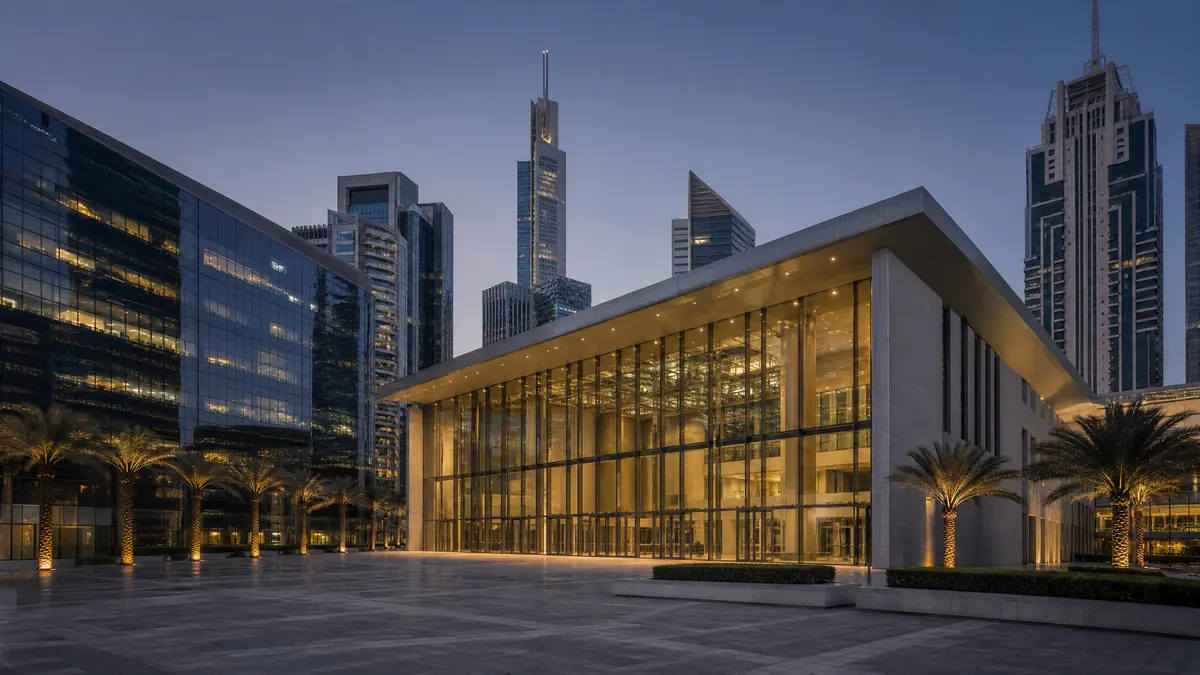
Phase 1 sits in Oud Metha across 4.1 million square feet and is dedicated to healthcare and medical education. Phase 2 occupies 19 million square feet in Al Jadaf, overlooking Dubai Creek, and is dedicated to wellness.
The distinction is not cosmetic. A clinical operation and a wellness business face different regulatory requirements, and which phase you belong in follows from what you actually do rather than from where space happens to be available.
- Phase 1, Oud Metha: healthcare and medical education
- Phase 2, Al Jadaf: wellness
- Clinical and wellness carry different requirements
- Phase follows the activity, not availability
The Regulator Licenses People, Not Just Companies
This is the part that surprises people arriving from other free zones.
The authority is responsible for ensuring compliance and enforcement of international quality standards for clinical and non-clinical facilities. It also oversees licensing of all healthcare professionals, educators and operators, and the setting and maintenance of international best healthcare practices within the zone.
So a clinic needs the company licensed, the facility licensed and every practising clinician licensed. Those run on different timelines and different evidence, and the clinician licensing is frequently the long pole.
Plan around the people, not the company.
- Company licensing, facility licensing and professional licensing
- Clinical and non-clinical facilities both regulated
- Healthcare professionals licensed individually
- International quality standards enforced by the authority
- Clinician credentialing is often the longest step

Who It Suits
Clinics and specialist medical practices. Day surgery and diagnostic centres. Medical education providers. Wellness and rehabilitation businesses in Phase 2. Medical device and pharmaceutical companies wanting to sit inside a recognised healthcare cluster.
The regulatory environment is the product. Patients, insurers and referring practitioners read a DHCC licence as a quality signal, and for a serious clinical operation that is worth the additional compliance load.
A business with no clinical element gains nothing from it and takes on regulation it does not need.
- Clinics and specialist medical practices
- Diagnostic and day surgery centres
- Medical education providers
- Wellness and rehabilitation businesses
- Medical devices and pharmaceutical companies
The 0% Question, Answered Honestly
No free zone grants you 0% corporate tax. The zone issues a licence; the Federal Tax Authority decides your rate. To pay 0% you have to be a Qualifying Free Zone Person, and that status is tested every year against your actual income, not your address.
Revenue billed to mainland UAE customers is generally not qualifying income. It carries 9%.
We file the corporate tax returns for companies in these zones, which is why we would rather have this conversation before you pay a licence fee than at your first return.
- Qualifying income, tested against your real invoices
- Adequate substance maintained inside the zone
- Transfer pricing compliance, including with related parties
- Audited financial statements, not optional for a QFZP
- Election and registration handled on time, every year

The Financial Side of a Regulated Clinic
Healthcare businesses carry accounting complexity that general trading does not, and it starts on day one.
Insurance receivables are the biggest item. Claims are submitted, partially rejected, resubmitted and settled months later, which makes revenue recognition and bad debt provisioning a genuine judgement rather than a formality. A clinic that books revenue on invoice and ignores rejection rates will misstate its position.
VAT adds another layer, because healthcare supplies do not all carry the same treatment, and getting the classification wrong across thousands of small transactions compounds quickly.
Add equipment financing, consumables inventory and clinician compensation structures, and the bookkeeping needs designing rather than improvising.
- Insurance receivables need realistic provisioning
- Claim rejection and resubmission cycles affect revenue recognition
- Healthcare VAT treatment is not uniform across supplies
- Equipment financing and consumables inventory to track
- Clinician compensation structures affect payroll and tax

Related Exiloz Services & Guides






What is Dubai Healthcare City Authority?
It is the governing body of the Dubai Healthcare City free zone. The Ministry of Economy & Tourism registrar record gives an establishment date of 2 November 2002 and describes the authority as established in May 2011 by H.H. Sheikh Mohammed Bin Rashid Al Maktoum to position the free zone as a global health and wellness destination.
What are the two phases of Dubai Healthcare City?
Phase 1 in Oud Metha covers 4.1 million square feet and is dedicated to healthcare and medical education. Phase 2 occupies 19 million square feet in Al Jadaf, overlooking Dubai Creek, and is dedicated to wellness.
Do I need a separate licence for doctors in DHCC?
Yes. The authority oversees licensing of all healthcare professionals, educators and operators, in addition to licensing the company and the facility. Those processes run on different timelines and evidence requirements, and individual clinician licensing is frequently the longest step in opening a clinic.
Is Dubai Healthcare City suitable for a non-medical business?
The zone's value is its regulated healthcare environment and the quality signal that carries with patients, insurers and referring practitioners. A business with no clinical or healthcare-adjacent element would take on regulatory obligations it does not need and gain nothing in return.
What accounting challenges do clinics in DHCC face?
Insurance receivables are the main one. Claims are submitted, partially rejected, resubmitted and settled months later, which makes revenue recognition and bad debt provisioning a real judgement. Healthcare VAT treatment also varies across supply types, and misclassification compounds quickly across high transaction volumes.
Does DHCC enforce international healthcare standards?
Yes. The authority is responsible for ensuring compliance with and enforcement of international quality standards for both clinical and non-clinical facilities, and for setting and maintaining international best healthcare practices within the zone.
Can a wellness business set up in Dubai Healthcare City?
Phase 2 in Al Jadaf is dedicated to wellness, so yes. The requirements differ from those for clinical operations, and which phase and which regulatory track applies follows from what the business actually does rather than from how it describes itself.
How long does it take to open a clinic in DHCC?
Longer than a standard free zone setup, because three separate processes run: the company licence, the facility licence, and individual licensing for every practising clinician. Clinician credentialing is usually the longest of the three and depends on the evidence each professional can produce, so it should start early rather than after the premises are secured.
Is Dubai Healthcare City more expensive than other Dubai free zones?
It carries a heavier regulatory load than a general free zone, and that has a cost in both fees and management time. What you get in return is a regulated environment that patients, insurers and referring practitioners recognise, which for a serious clinical operation is a commercial asset rather than an overhead.
The rest of what we do
Licence, visas, bank account, books and the first tax return — handled by the same team, so the structure has to survive its first year.
-
 Tax Residency Certificate
Day-count position verified and the FTA document pack assembled.
Explore
Tax Residency Certificate
Day-count position verified and the FTA document pack assembled.
Explore
-
 Customs Registration
Client code and Mirsal registration, before your first shipment, not after.
Explore
Customs Registration
Client code and Mirsal registration, before your first shipment, not after.
Explore
-
 ICV Certification
Score modelled and improved before the audit, not explained afterwards.
Explore
ICV Certification
Score modelled and improved before the audit, not explained afterwards.
Explore
-
 UAE Free Zones
All 37 zones compared by emirate, with the founding law and what each is really for.
Explore
UAE Free Zones
All 37 zones compared by emirate, with the founding law and what each is really for.
Explore
-
 Company Formation
Mainland, free zone and offshore incorporation, started from your activity code.
Explore
Company Formation
Mainland, free zone and offshore incorporation, started from your activity code.
Explore
-
 Mainland vs Free Zone
Pick the jurisdiction before the licence. The decision that survives year one.
Explore
Mainland vs Free Zone
Pick the jurisdiction before the licence. The decision that survives year one.
Explore
-
 PRO & Document Clearing
Establishment card, immigration file, visas, medicals and attestation.
Explore
PRO & Document Clearing
Establishment card, immigration file, visas, medicals and attestation.
Explore
-
 VAT Registration
Threshold checks, grouping and registration handled against the FTA's current rules.
Explore
VAT Registration
Threshold checks, grouping and registration handled against the FTA's current rules.
Explore
Opening a Clinic or Health Business?
We will sequence the company, facility and professional licensing properly, and build accounting that handles insurance receivables from the first claim.
