
Registration Documents
Customs Registration Documents in Dubai: The Complete Checklist
Customs registration is document-light compared to tax registrations, but each document is checked against licensing records, and the activity wording on your licence decides whether the application sails or stalls.
- Checklist matched to your business type
- Licence activity wording verified in advance
- Authorised persons documented correctly
- Free zone specifics handled where relevant
Dubai-based support for customs codes, renewals and trade compliance.

Quick Answer
Core documents for a Dubai customs client code: valid trade licence with an import/export-capable activity, passport and Emirates ID of the owner or authorised signatory, an authorisation letter for the person managing customs affairs, company contact and address details, and (where applicable) warehouse or facility information. Free zone entities add their zone licence and facility lease.
The Standard Document Set
Dubai Customs verifies identity, authority and licence coverage. The pack is short, but each element must be current, expired IDs and stale licence copies are the routine rejection causes.
- Valid trade licence (import/export or trading activity)
- Passport + Emirates ID of owner/authorised signatory
- Authorisation letter naming who handles customs matters
- Company address, phone and email records
- Bank or facility details where the application requires them
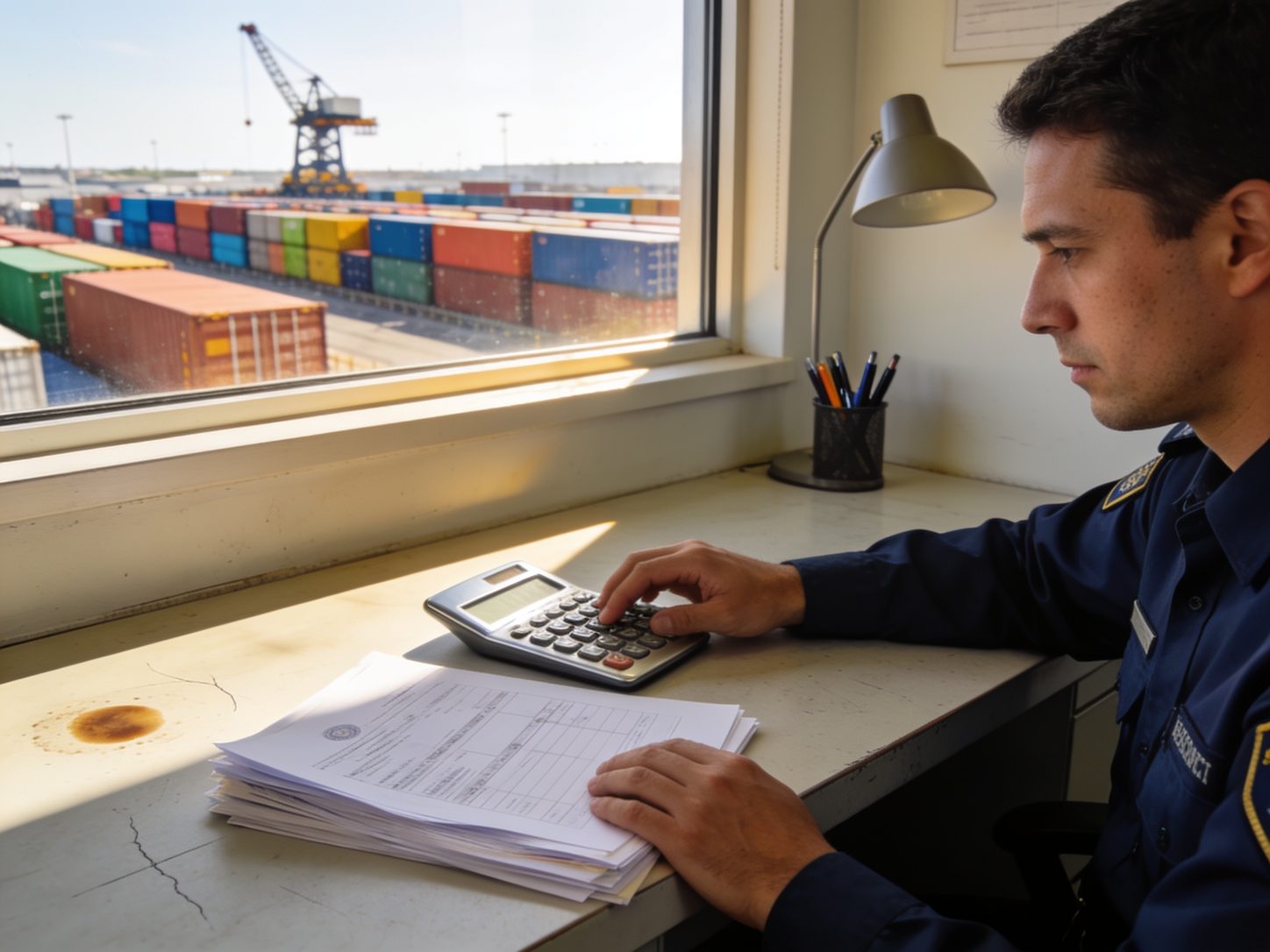
The Activity Wording Trap
Customs reads your licence literally. A consultancy licence cannot obtain a trading code; a licence for "foodstuff trading" raises questions when electronics arrive under it. Before registering (and before diversifying what you ship) the licence activity list should match commercial reality, or be amended first.
- Trading/import-export activities: straightforward registration
- Service licences: not eligible for commercial import codes
- Goods outside your activity: holds, queries, penalties
- Amending activities first is cheaper than arguing at the port

Special Situations
Free zone companies register with their zone context: zone licence, facility lease, and flows that respect designated-zone VAT rules. Businesses appointing brokers still need their own code; the broker files under it with your authorisation on record.
- Free zone: zone licence + facility lease join the pack
- Brokers file under your code with documented authorisation
- Multiple licences: each entity registers its own code
- Personal effects and samples follow different channels entirely

Matching Documents to the Licence
Customs registration is validated against your licensing data, so the documents must agree with it exactly. The trade licence, the authorised signatory's ID and authority, and the entity details all have to match what Dubai Customs sees through the system. A name spelled differently, an expired licence or an unclear signatory authority causes the same query-and-delay cycle that catches out every registration, and it is entirely avoidable with a check before submission.
- Trade licence matching the customs record
- Authorised signatory ID and evidenced authority
- Entity details consistent with the licence
- A pre-submission check avoids query cycles

The Activity-Wording Trap
The activities on your licence determine what you are permitted to import, and vague or mismatched wording is a recurring problem. A licence that does not clearly cover the goods you intend to trade can stall clearance, and certain regulated goods need specific activity approvals behind the customs code. Checking that the licence activities genuinely cover your trade (before goods are on the water) prevents a shipment arriving against a code that cannot clear it.
- Licence activities define permitted imports
- Vague wording can stall clearance
- Regulated goods need specific approvals
- Confirm the activities cover your trade

Special Situations That Need More
Some businesses carry extra requirements. Free-zone entities importing into or out of a zone follow specific procedures, restricted or regulated goods (food, cosmetics, chemicals, certain electronics) need approvals from the relevant authority behind the code, and re-export or transit trade has its own documentation. Identifying which of these applies before registering ensures the code is set up for how the business actually trades, not just the standard case.
- Free-zone import/export procedures
- Approvals for restricted or regulated goods
- Re-export and transit documentation
- Set the code up for your real trade

Keeping the Document Set Current
Customs documents are not a one-time submission; they have to stay current with the business. When the licence renews, an activity is added, a signatory changes or the address moves, the customs record must be updated to match, or the next shipment meets a registration that no longer agrees with the licence. Treating the document set as a living record, refreshed whenever the underlying business details change, is what keeps clearance smooth rather than surprising.
- Update the record when the licence renews
- Reflect new activities and signatories
- Keep the address consistent with the licence
- A living record, not a one-time submission
Related Exiloz Services & Guides





What documents do I need for Dubai customs registration?
Valid trade licence with a suitable activity, passport and Emirates ID of the signatory, an authorisation letter, company contact details and any facility information requested.
Does my licence activity matter for the customs code?
Decisively, customs matches goods to your licensed activities. Wrong or missing activity wording blocks registration or later clearances.
Do free zone companies submit different documents?
They add the free zone licence and facility lease, and their flows follow zone-specific customs procedures.
Who should the authorisation letter name?
The person(s) authorised to handle customs matters (internal staff or your clearing agent) so filings under your code are properly authorised.
How long does registration take once documents are ready?
Typically one to two working days through Dubai Trade for a complete application.
What documents are needed for customs registration?
A valid trade licence, the authorised signatory's ID and evidenced authority, entity details matching the licence, and an undertaking, all consistent with your licensing data.
Why does licence activity wording matter for customs?
Because your licence activities define what you can import. Vague or mismatched wording can stall clearance, and regulated goods need specific approvals behind the code.
Do free-zone companies register for customs differently?
Free-zone entities follow specific import and export procedures for movements into and out of the zone, so their customs setup can differ from a mainland trading company's.
What if I import restricted goods?
Restricted or regulated goods (food, cosmetics, chemicals and others) need approvals from the relevant authority behind the customs code, in addition to the standard registration.
Do customs documents need updating over time?
Yes: when the licence renews or an activity, signatory or address changes, the customs record must be updated to match, or a shipment can meet a registration that no longer agrees with the licence.
What is the undertaking letter for customs?
A declaration accompanying the registration in which the business commits to comply with customs rules; it is part of the standard document set alongside the licence and signatory ID.
Can I use one document set for multiple licences?
Registration follows the legal person, so multiple licences under the same entity are covered together, but all should be reflected consistently in the customs record.
The rest of what we do
Licence, visas, bank account, books and the first tax return — handled by the same team, so the structure has to survive its first year.
-
 Payroll & WPS
Payroll, WPS files and end-of-service calculated correctly.
Explore
Payroll & WPS
Payroll, WPS files and end-of-service calculated correctly.
Explore
-
 Tax Residency Certificate
Day-count position verified and the FTA document pack assembled.
Explore
Tax Residency Certificate
Day-count position verified and the FTA document pack assembled.
Explore
-
 Customs Registration
Client code and Mirsal registration, before your first shipment, not after.
Explore
Customs Registration
Client code and Mirsal registration, before your first shipment, not after.
Explore
-
 ICV Certification
Score modelled and improved before the audit, not explained afterwards.
Explore
ICV Certification
Score modelled and improved before the audit, not explained afterwards.
Explore
-
 UAE Free Zones
All 37 zones compared by emirate, with the founding law and what each is really for.
Explore
UAE Free Zones
All 37 zones compared by emirate, with the founding law and what each is really for.
Explore
-
 Company Formation
Mainland, free zone and offshore incorporation, started from your activity code.
Explore
Company Formation
Mainland, free zone and offshore incorporation, started from your activity code.
Explore
-
 Mainland vs Free Zone
Pick the jurisdiction before the licence. The decision that survives year one.
Explore
Mainland vs Free Zone
Pick the jurisdiction before the licence. The decision that survives year one.
Explore
-
 PRO & Document Clearing
Establishment card, immigration file, visas, medicals and attestation.
Explore
PRO & Document Clearing
Establishment card, immigration file, visas, medicals and attestation.
Explore
Get Registered Without the Back-and-Forth
Send us your licence: we will verify the activity wording, assemble the pack and have your code issued in days.
