Reverse Charge (RCM)

Reverse Charge Mechanism (RCM) in UAE VAT

Under the reverse charge mechanism, the buyer — not the supplier — accounts for VAT. It applies mainly to imports of goods and services and certain specified supplies, shifting the VAT reporting responsibility to the recipient.

  • Understand when RCM applies
  • Account for import VAT correctly
  • Report RCM properly on returns

Dubai-based, FTA-aware VAT support for UAE businesses.

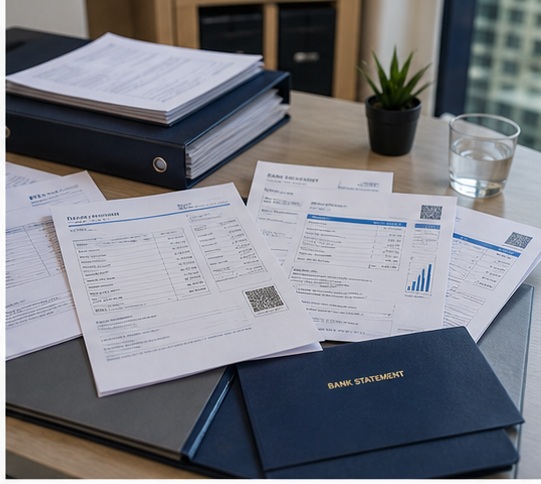
Reverse charge mechanism in UAE VAT showing buyer accounting for import VAT

Quick Answer

The reverse charge mechanism (RCM) shifts the responsibility to account for VAT from the supplier to the buyer. It applies most commonly when a UAE business imports goods or services from outside the UAE, and to certain specified domestic supplies. Under RCM, the registered buyer records both the output VAT and the corresponding input VAT on their VAT return — often a nil net effect — so no cash changes hands for VAT but the transaction is correctly reported.

When the Reverse Charge Applies

The reverse charge mechanism is most relevant when a UAE VAT-registered business buys from a supplier who is outside the UAE and not registered for UAE VAT. Instead of the foreign supplier charging VAT, the UAE buyer self-accounts for it. This covers imported services (such as software, consulting or digital services from abroad) and imported goods, as well as certain specified domestic supplies defined in the VAT legislation. It ensures cross-border purchases are taxed consistently with local ones.

  • Imported services from outside the UAE
  • Imported goods (subject to customs/VAT rules)
  • Certain specified domestic supplies
Talk to a VAT consultant
Scenarios where the UAE VAT reverse charge mechanism applies to imports

How to Account for RCM

Under RCM, the registered buyer records the output VAT it would have been charged and, where eligible, claims the same amount as input VAT — both on the same VAT return. For fully recoverable purchases this nets to zero VAT payable, but the figures must still be reported correctly in the right boxes of the return. Mistakes here are common: businesses either omit the reverse charge entirely or report it inconsistently, which can lead to corrections and penalties.

  • Record output VAT on the import
  • Claim matching input VAT where eligible
  • Report both in the correct return fields
Talk to a VAT consultant
Accounting entries for the reverse charge mechanism on a UAE VAT return

Getting RCM Reporting Right

Because RCM is a reporting requirement rather than a cash payment in most cases, it is easy to overlook — especially for businesses that regularly buy software or services from abroad. Exiloz helps identify which of your purchases fall under the reverse charge, configures your accounting software to capture them, and ensures they appear correctly on each VAT return so your filings remain accurate and audit-ready.

  • 1Identify reverse-charge purchases
  • 2Set up VAT codes to capture them
  • 3Record output and input VAT correctly
  • 4Reconcile RCM entries each tax period
Talk to a VAT consultant
Exiloz helping a Dubai business report reverse charge VAT accurately

Reverse Charge Mechanism UAE FAQs

What is the reverse charge mechanism in UAE VAT?

The reverse charge mechanism (RCM) shifts the responsibility to account for VAT from the supplier to the buyer. It applies mainly to imports of goods and services and certain specified supplies, where the registered UAE buyer self-accounts for the VAT.

When does the reverse charge apply?

It typically applies when a UAE VAT-registered business imports goods or services from a supplier outside the UAE, and to certain specified domestic supplies defined in the VAT law.

Do I pay VAT under the reverse charge?

Under RCM you record both output VAT and, where eligible, matching input VAT on the same return. For fully recoverable purchases this nets to zero VAT payable, but it must still be reported correctly.

Why is reverse charge important for imported services?

Many businesses buy software, consulting or digital services from abroad. These often fall under RCM, and failing to report them is a common compliance gap that can trigger corrections or penalties.

How do I report RCM on my VAT return?

Reverse charge transactions are reported in specific fields of the VAT return for both output and input VAT. Correct, consistent reporting is essential to keep filings accurate.

Can Exiloz help with reverse charge VAT?

Yes. Exiloz identifies your reverse-charge purchases, configures your software to capture them, and ensures they are reported correctly on every VAT return.

Importing goods or services into the UAE?

Exiloz can make sure reverse charge VAT on your imports is captured and reported correctly, keeping your VAT returns accurate and audit-ready.

Request Service Assistance