
Dubai Silicon Oasis
Dubai Silicon Oasis: The Technology Park With a Postcode
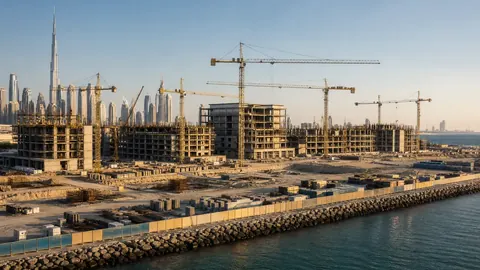
Dubai Silicon Oasis Authority was established by the Government of Dubai under Law No. 16 of 2005 to support demand from technology-focused businesses. It spans 7.2 million square metres and is unusual among UAE free zones in being somewhere people actually live.
- Technology activity matched to the right licence category
- R&D and light industrial space scoped against your operation
- Corporate tax position mapped for software and IP income
- One team from licence through to the first tax return
A licensed Dubai tax practice, not a licence broker.

Quick Answer
Dubai Silicon Oasis (DSO) is a Dubai free zone established by Law No. 16 of 2005 and run by Dubai Silicon Oasis Authority, now part of the Dubai Integrated Economic Zones Authority (DIEZ). It covers 7.2 million square metres as an integrated technology park combining offices, R&D and industrial zones with housing, schools and healthcare. It hosts companies in automotive, aerospace, solar and photovoltaic, telecommunications, data centres, electronics, power, biotechnology and security technologies.
A Free Zone You Can Live In
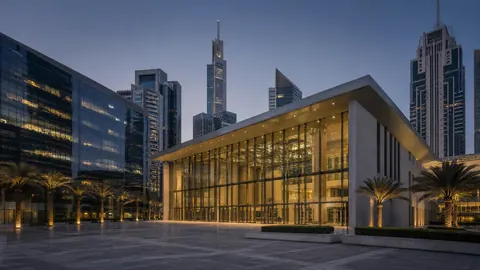
DSO's master plan puts office towers, R&D space and industrial zones next to apartments, villas, schools, hotels and healthcare. Most free zones are places you commute to. This one is a district.
For a technology business hiring engineers, that has a practical effect on recruitment and retention that does not appear in any cost comparison table.
- Established by Law No. 16 of 2005, Government of Dubai
- 7.2 million square metres of master-planned development
- Office towers, R&D space and industrial zones
- Housing, schools, hotels and healthcare on site
- Now part of DIEZ, alongside DAFZA and Dubai CommerCity

The Industries It Was Built For
DSO names its specialisms directly: automobile, aerospace, solar energy, photovoltaic, telecommunication, data centres, electronics, power, biotechnology and security technologies.
Its tenant list is a reasonable proxy for what the zone takes seriously: Western Digital, Schneider Electric, Jaguar Land Rover, Porsche, Mitsubishi Electric, Hyundai, Ricoh and Henkel among them.
That matters more than it sounds. A zone's tenant mix shapes the local supplier network, the pool of engineers who already live nearby, and how quickly you can find someone who has solved the problem in front of you. A hardware startup in DSO can source components and hire test engineers from businesses on the same estate. The same company in a general trading zone spends its first year building that network from nothing.
- Automotive and aerospace
- Solar energy and photovoltaic
- Telecommunications and data centres
- Electronics, power and security technologies
- Biotechnology
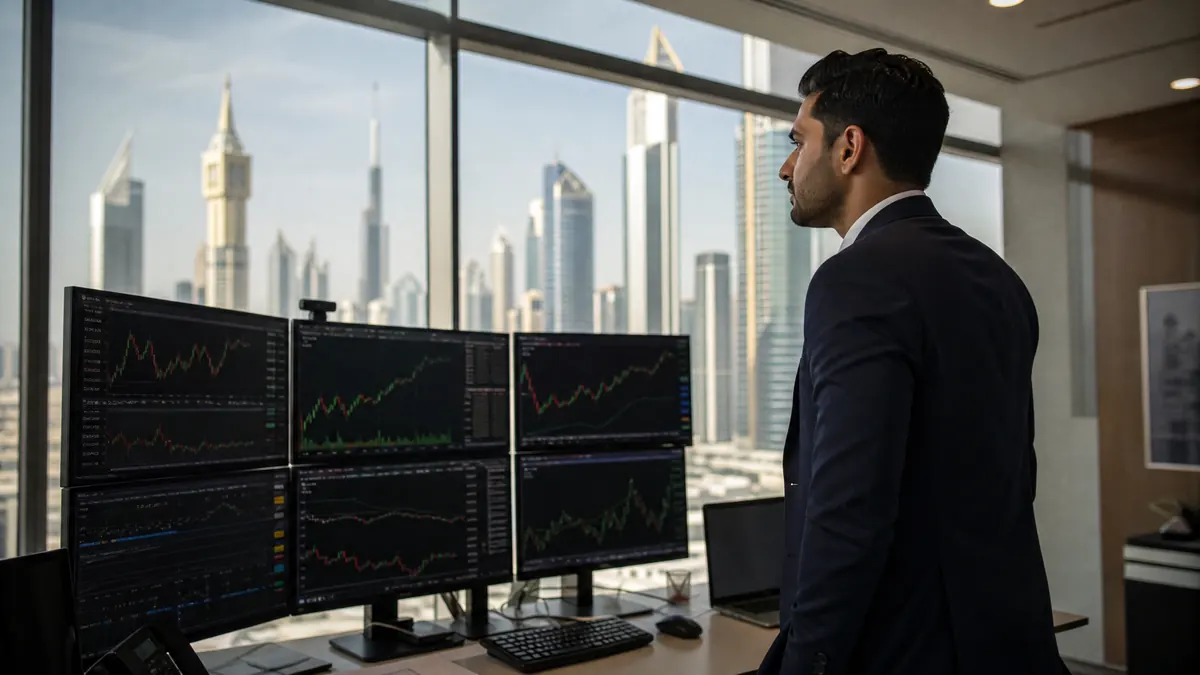
Software, IP and Where the Tax Question Gets Interesting
Technology businesses hit a specific issue that trading companies do not. Income from intellectual property has its own treatment under the free zone rules, and it does not follow the same path as ordinary trading income.
If your revenue is licensing, royalties or software sold as a product, the qualifying income analysis needs doing properly and early. Assuming it works the same way as consultancy revenue is how companies end up with an unexpected 9% liability.
Ask before you build the structure, not after.
- IP income has distinct treatment under the free zone rules
- Software licensing and royalties need specific analysis
- Mainland-billed development work is generally not qualifying
- Substance for a tech company means people and function, not a desk

The 0% Question, Answered Honestly
No free zone grants you 0% corporate tax. The zone issues a licence; the Federal Tax Authority decides your rate. To pay 0% you have to be a Qualifying Free Zone Person, and that status is tested every year against your actual income, not your address.
Revenue billed to mainland UAE customers is generally not qualifying income. It carries 9%.
We file the corporate tax returns for companies in these zones, which is why we would rather have this conversation before you pay a licence fee than at your first return.
- Qualifying income, tested against your real invoices
- Adequate substance maintained inside the zone
- Transfer pricing compliance, including with related parties
- Audited financial statements: not optional for a QFZP
- Election and registration handled on time, every year

Where Technology Companies Get Caught
Software businesses arrive with a structure that worked somewhere else and assume it transfers. Usually it does not, and the mismatch shows up in three places.
Where the IP sits. A UAE company selling software developed and owned by a parent abroad is not the same thing as a UAE company that owns what it sells. The corporate tax outcome differs, and so does the transfer pricing documentation you owe.
Where the developers are. Substance is about people and functions performed in the zone. A licence in Dubai and an engineering team in another country is a weak basis for a qualifying claim, however genuine the business.
And who the customers are. Selling a product to UAE mainland companies generally produces income taxed at 9%, no matter how technical the product is.
- IP ownership location drives the corporate tax outcome
- Offshore development teams weaken a substance argument
- Mainland-billed development work is generally taxed at 9%
- Group licensing arrangements need transfer pricing documentation

Related Exiloz Services & Guides


What law established Dubai Silicon Oasis Authority?
Law No. 16 of 2005, issued by the Government of Dubai to support the region's demand for expansion of technology-focused businesses, per the Ministry of Economy & Tourism registrar record.
Is Dubai Silicon Oasis part of DIEZ?
Yes. The Dubai Integrated Economic Zones Authority was created in 2021, consolidating Dubai Silicon Oasis with Dubai Airport Freezone and Dubai CommerCity under a single authority.
What industries does DSO focus on?
Its stated specialisms are automobile, aerospace, solar energy, photovoltaic, telecommunications, data centres, electronics, power, biotechnology and security technologies. Named tenants include Western Digital, Schneider Electric, Jaguar Land Rover and Porsche.
Can I live in Dubai Silicon Oasis?
Yes: it is a master-planned community with apartments, villas, schools, hotels and healthcare alongside the commercial and industrial areas, spanning 7.2 million square metres. That combination is unusual among UAE free zones and can matter for hiring technical staff.
Does a software company in DSO pay 0% corporate tax?
Not automatically. Intellectual property income is treated differently from ordinary trading income under the free zone rules, so licensing and royalty revenue needs a specific qualifying income analysis. Development work billed to mainland UAE customers is generally taxed at 9% regardless of where the company sits.
How big is Dubai Silicon Oasis?
The technology park spans 7.2 million square metres, per the Ministry of Economy & Tourism registrar record. It combines office towers, R&D and industrial zones with residential apartments and villas, educational institutions, hotels, healthcare and lifestyle facilities.
Is DSO good for a hardware or electronics business?
It is one of the stronger UAE options for it. The zone explicitly serves electronics, power, telecommunications, data centres and security technologies, and it has R&D and industrial zones rather than offices alone. A business that needs lab or light manufacturing space alongside engineering desks fits the estate well.
What is the difference between DSO and DIFC for a fintech company?
They answer different questions. If your product is technology and your customers are businesses, DSO is a technology park with the right neighbours and cost base. If you are carrying out a regulated financial service, or your investors require a common law framework, DIFC provides the regulator and the legal jurisdiction that DSO does not. Some fintech businesses genuinely need DIFC; many assume they do and never use it.
The rest of what we do
Licence, visas, bank account, books and the first tax return — handled by the same team, so the structure has to survive its first year.
-
 Tax Residency Certificate
Day-count position verified and the FTA document pack assembled.
Explore
Tax Residency Certificate
Day-count position verified and the FTA document pack assembled.
Explore
-
 Customs Registration
Client code and Mirsal registration, before your first shipment, not after.
Explore
Customs Registration
Client code and Mirsal registration, before your first shipment, not after.
Explore
-
 ICV Certification
Score modelled and improved before the audit, not explained afterwards.
Explore
ICV Certification
Score modelled and improved before the audit, not explained afterwards.
Explore
-
 UAE Free Zones
All 37 zones compared by emirate, with the founding law and what each is really for.
Explore
UAE Free Zones
All 37 zones compared by emirate, with the founding law and what each is really for.
Explore
-
 Company Formation
Mainland, free zone and offshore incorporation, started from your activity code.
Explore
Company Formation
Mainland, free zone and offshore incorporation, started from your activity code.
Explore
-
 Mainland vs Free Zone
Pick the jurisdiction before the licence. The decision that survives year one.
Explore
Mainland vs Free Zone
Pick the jurisdiction before the licence. The decision that survives year one.
Explore
-
 PRO & Document Clearing
Establishment card, immigration file, visas, medicals and attestation.
Explore
PRO & Document Clearing
Establishment card, immigration file, visas, medicals and attestation.
Explore
-
 VAT Registration
Threshold checks, grouping and registration handled against the FTA's current rules.
Explore
VAT Registration
Threshold checks, grouping and registration handled against the FTA's current rules.
Explore
Building a Technology Company in Dubai?
We will look at where your revenue comes from and how your IP is held before recommending a zone, then handle the licence, the visas and the returns.
